

Climate risks: 1 in 3 workers are exposed and raise concerns over health and safety impact
Climate change and worker safety and health
33 % of workers in the EU are exposed to at least one climate change-related risk factor, with 20% reporting exposure to extreme heat and 19 % to poor air quality. Heat exposure is highest in sectors reliant on outdoor labour: 35 % of workers in agriculture, horticulture, forestry, or fishing report working in extreme heat, along with one in four in construction and the energy sector. Almost one in ten workers highlight heat-related symptoms or illnesses such as heatstroke, dizziness, or cramps. Moreover, over one in ten workers face intense sun while working, which is recognised as a cancer risk factor.
Regional differences are clear, with workers in Southern Europe experiencing the highest exposure, reflecting more frequent heatwaves and environmental degradation. Although more than 50 % of employers have introduced preventive measures such as shaded rest areas or heat-adapted schedules, implementation is uneven, highlighting the need for climate-resilient planning and investment across all industries.
In addition, one in five workers are worried that their current job and tasks will change as a result of measures introduced to prevent the risks associated with climate change. This reflects a growing sense of eco-anxiety ─ the fear or distress caused by environmental changes and their potential impact on health.
Stress and mental health at work: persistent pressure and stigma
Workload issues remain widespread across Europe, as 44 % of workers indicate severe time pressure or work overload. In the health and social care sector, the figure rises to 50 %, with 41 % saying their efforts are insufficiently recognised or rewarded, echoing long-standing concerns about burnout and staff shortages in the sector.
The findings also point to continued stigma around mental health; 48 % of respondents believe that disclosing a mental health condition could harm their career. This perception is especially prevalent among younger workers and those in lower-paid or precarious roles. However, a majority of workers would feel comfortable discussing their mental health with a superior or manager, suggesting that stigma surrounding mental health is diminishing.
Access to support also varies, with 66 % of workers in large companies having access to information and training on stress and wellbeing, compared to just 42 % in micro companies. Northern and Western European countries generally show better support and more proactive approaches, while others are only beginning to address mental health in structured ways.
Digitalisation and workplace autonomy
The digital transformation of work is well underway: nine in ten workers in the EU use at least one digital technology in their role, and around one in three use advanced tools such as AI-powered systems, wearables, or robots.
25 % of workers say digital technologies are used to monitor their work and behaviour, and 27 % report that tasks are automatically allocated through such systems. These practices raise questions about data use, worker trust and the risk of excessive control and over-management. They are also associated with stress and mental health issues.
Moreover, digitalisation can alter job roles significantly. Some workers feel isolated, with fewer opportunities to use their skills or make decisions about their work. This underlines the need for greater transparency, social dialogue and worker participation in decisions on technology adoption.
William Cockburn, EU-OSHA’s Executive Director, said: “These findings show that workers across Europe face complex and evolving challenges. Nearly three in ten struggling with stress, depression, or anxiety linked to their jobs. About a third worried that climate change could put their safety and health at risk. From adapting workplaces to the physical effects of climate change, to reducing the stigma around mental health and ensuring digital tools are introduced ethically ─ protecting the safety, health, and dignity of Europe’s workforce must remain a top priority. This is especially important as we navigate the twin transitions of climate and digital change.”
Resources for action
To support evidence-based decision-making, EU-OSHA has released a package of resources designed to turn data into action. These include:
- EU-level infographics covering climate change, mental health and digitalisation
- Country factsheets on climate change as well as psychosocial risks and mental health for each participating country, offering a more detailed look at national data and sector trends
- A full report and summary, highlighting key challenges and opportunities across Europe
| About the survey |
| The OSH Pulse 2025 survey looks into a range of impacts of psychosocial risks, climate change and the use of digital technologies in the workplace on workers’ mental health and related workplace measures. Conducted over the phone in April 2025, the survey includes responses from over 28,000 employed workers in all EU Member States, plus Iceland, Norway ─ and for the first time ─ Switzerland. The 2025 survey gathers information about workers and the main characteristics of their job. It focuses on the psychosocial and physical risks stemming from the use of digital technologies and from climate change, their impact on occupational safety and health (OSH) and the measures implemented in their workplace to prevent such risks. This edition expands its scope with new psychosocial factors linked to digitalisation, such as skill discretion and meaningfulness at work, as well as emerging risks related to climate change, including eco-anxiety and qualitative job insecurity. It also incorporates traditional risks like effort-reward imbalance and quantitative job insecurity. Sociodemographic variables ─ managerial vs non-managerial roles and migrant status (first and second generation) ─ enhance the survey’s ability to reflect diverse worker experiences. The data set will be made available to researchers in 2026. |
Quelle: EU-OSHA
Das könnte Sie auch interessieren:
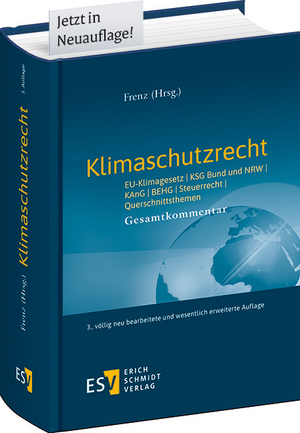 |
Klimaschutzrecht Herausgegeben von: Prof. Dr. jur. Walter Frenz Bearbeitet von: Dr. jur. Stefan Altenschmidt, Prof. Dr. Stefan Böschen, Mirjam Büsch Programmbereich: Umwelt- und Klimaschutz Die komplett überarbeitete und stark erweiterte Neuauflage des Gesamtkommentars bietet einen gesamtheitlichen Überblick über das europäische und nationale Klimaschutzrecht.
Bonus: Die im vorliegenden Werk erläuterten Vorschriften sowie weitere informative Materialien können bequem über ein digitales Add-on im Volltext abgerufen werden. |
| Klimawandel | 11.09.2025 |
| Mehr Arbeits- und Wegeunfälle bei extremer Hitze und Kälte | |
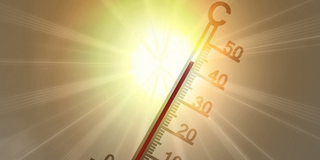 |
Extreme Temperaturen, sowohl Hitze als auch Kälte, führen zu einer signifikanten Erhöhung der Unfallzahlen bei der Arbeit und auf den Arbeitswegen. Das zeigt eine statistische Analyse des Spitzenverbandes der Berufsgenossenschaften und Unfallkassen, Deutsche Gesetzliche Unfallversicherung (DGUV). mehr … |
Programmbereich: Arbeitsschutz und Arbeitssicherheit